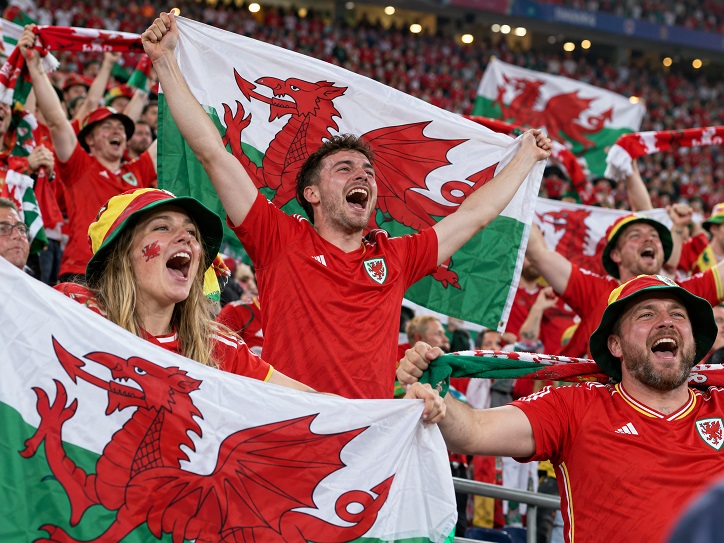
For Welsh football supporters, the summer of 2016 remains unforgettable.
Wales arrived at the European Championship in France having waited 58 years to appear at a major international tournament. Few outside the country expected Chris Coleman’s team to go deep into the competition.
Instead, Wales produced one of the greatest tournament runs in the nation’s sporting history.
Led by Gareth Bale, Aaron Ramsey, Ashley Williams and a squad united by an extraordinary sense of belief, Wales reached the Euro 2016 semi-finals and changed expectations around Welsh football forever.
Wales Had Waited Nearly Six Decades
Before Euro 2016, Wales’ previous appearance at a major tournament had come at the 1958 FIFA World Cup.
Generations of supporters grew up watching qualification campaigns end in disappointment.
There were talented Welsh players.
There were memorable victories.
But qualification remained elusive.
That changed when Chris Coleman’s side successfully reached Euro 2016.
For many supporters, simply seeing Wales walk onto the pitch at a European Championship already felt historic.
They were about to achieve much more.
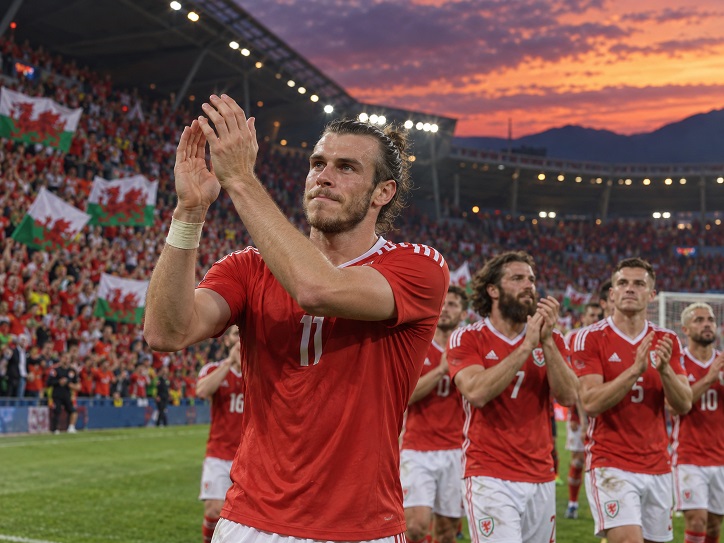
Gareth Bale Gave Wales the Perfect Start
Wales opened their campaign against Slovakia.
The pressure was enormous.
Then Gareth Bale stepped forward.
The Real Madrid superstar scored a superb free-kick to give Wales the lead.
Slovakia later equalised, but substitute Hal Robson-Kanu scored the winning goal as Wales secured a 2-1 victory.
It was Wales’ first major-tournament victory in generations.
More importantly, it created belief.
Wales were no longer simply enjoying being at the tournament.
They had come to compete.
England Delivered a Painful Setback
The second group match brought one of the tournament’s most anticipated fixtures:
England vs Wales.
Bale once again scored from a free-kick, giving Wales the lead.
But England fought back.
Jamie Vardy equalised before Daniel Sturridge scored a late winner.
Wales lost 2-1.
It could easily have damaged the team’s confidence.
Instead, what happened next showed the mentality that would define their tournament.
Wales Destroyed Russia
Wales entered their final group game knowing qualification remained within their control.
Against Russia, they produced one of their finest performances.
Aaron Ramsey opened the scoring.
Neil Taylor added the second.
Then Bale completed the victory.
Wales 3-0 Russia.
The result meant Wales finished top of their group, ahead of England.
Suddenly, the possibility of a long tournament run no longer seemed unrealistic.
Northern Ireland Stood Between Wales and the Quarter-Finals
The round of 16 brought an all-British encounter against Northern Ireland.
It was a very different game.
Northern Ireland defended deeply and made life difficult for Wales.
Eventually, Gareth Bale delivered a dangerous cross that Gareth McAuley turned into his own net.
Wales won 1-0.
For the first time, they were heading into the quarter-finals of a European Championship.
And waiting for them was Belgium.
The Night Wales Shocked Belgium
If one match defines Wales’ Euro 2016 journey, it is probably the quarter-final against Belgium.
Belgium possessed some of Europe’s biggest stars.
Kevin De Bruyne.
Eden Hazard.
Romelu Lukaku.
Thibaut Courtois.
Wales were considered outsiders.
Belgium took the lead through Radja Nainggolan.
But Wales refused to collapse.
Captain Ashley Williams headed home the equaliser.
Then came one of the most famous moments in Welsh football history.
Hal Robson-Kanu Produced an Unforgettable Turn
Robson-Kanu received the ball inside the Belgian penalty area.
Three defenders surrounded him.
What happened next became an iconic Welsh football moment.
He produced a brilliant Cruyff-style turn that sent the defenders the wrong way before calmly finishing.
Wales were ahead.
Sam Vokes later headed in the third goal.
Wales 3-1 Belgium.
The final whistle triggered extraordinary scenes.
Wales were going to the semi-finals of Euro 2016.
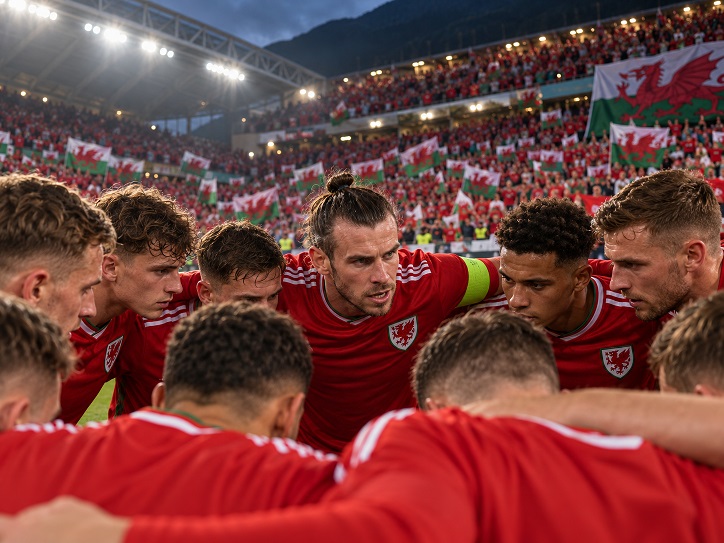
A Small Nation Was Suddenly Among Europe’s Final Four
The achievement was enormous.
Wales had entered the tournament after a 58-year absence.
Now they were one victory away from the European Championship final.
Across Wales, people gathered in homes, pubs and public viewing areas.
Red shirts and Welsh flags became impossible to miss.
Football had become a national celebration.
Aaron Ramsey’s Suspension Was a Huge Blow
Wales’ semi-final opponent was Portugal.
But Chris Coleman faced a major problem.
Aaron Ramsey was suspended after receiving his second yellow card of the tournament.
Ramsey had been one of Wales’ outstanding performers.
His creativity, movement and ability to connect midfield with attack were crucial.
Ben Davies was also suspended.
Against a strong Portugal side, those absences mattered.
Ronaldo and Portugal Ended the Dream
The semi-final was promoted as a showdown between two Real Madrid superstars:
Cristiano Ronaldo and Gareth Bale.
Portugal eventually took control.
Ronaldo scored before Nani added another.
Portugal won 2-0.
Wales’ extraordinary journey was over.
Portugal would go on to defeat France and become European champions.
For Wales, however, disappointment quickly gave way to pride.
They had achieved something few thought possible.
The Players Returned Home as Heroes
When Wales returned from France, thousands of supporters welcomed them home.
The players travelled through Cardiff in an open-top bus parade.
What had begun as a football tournament had become a national event.
Players such as:
- Gareth Bale
- Aaron Ramsey
- Ashley Williams
- Joe Allen
- Hal Robson-Kanu
- Joe Ledley
- Wayne Hennessey
- Chris Gunter
became symbols of an unforgettable summer.
Gareth Bale Became the Face of a Generation
Bale was already an international superstar before the tournament.
Euro 2016 strengthened his status as one of Wales’ greatest footballers.
He scored against Slovakia.
He scored against England.
He scored against Russia.
His performances gave Wales confidence that they could compete with Europe’s best teams.
But Wales’ success was never solely about one player.
That may have been the team’s greatest strength.
Together Stronger Became More Than a Slogan
The phrase “Together Stronger” became closely associated with Chris Coleman’s team.
It captured the mentality of the squad.
Wales did not possess the depth available to countries such as Germany, France or Spain.
But the players understood their roles.
They defended together.
They celebrated together.
And they appeared to genuinely enjoy representing their country together.
That unity became one of the defining images of Euro 2016.
Welsh Supporters Became Stars of the Tournament Too
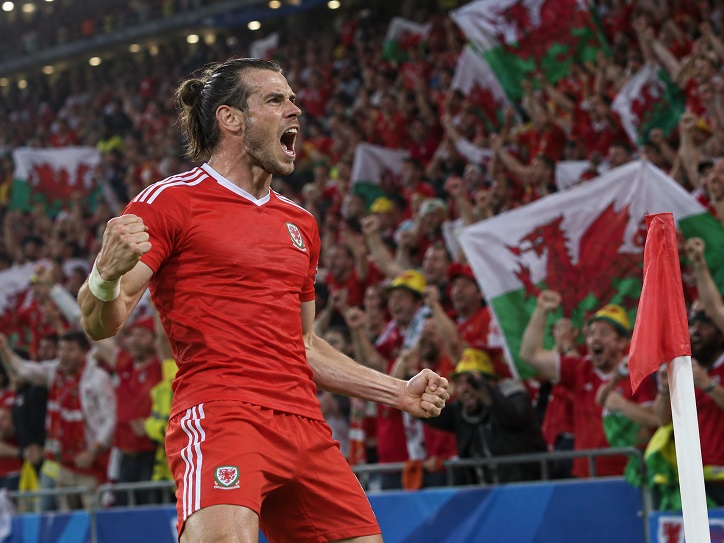
Wales’ supporters also made a major impression in France.
Thousands followed the team across the country.
Welsh songs filled stadiums and city streets.
The anthem “Hen Wlad Fy Nhadau” produced some of the tournament’s most emotional moments.
And the chant “Don’t Take Me Home” became synonymous with Welsh supporters who wanted the tournament adventure to continue.
The bond between supporters and players became a major part of the story.
Euro 2016 Changed Expectations
Before 2016, simply qualifying for a major tournament seemed like a huge achievement for Wales.
After reaching the semi-finals, expectations changed.
Players began to believe major tournaments could become a regular part of Welsh football rather than a once-in-a-generation event.
Wales subsequently qualified for Euro 2020.
Then came another landmark moment.
They qualified for the 2022 FIFA World Cup, ending another long absence from football’s biggest tournament.
Euro 2016 helped create the belief that those achievements were possible.
Young Players Suddenly Had Welsh Heroes
The tournament also mattered at grassroots level.
Young Welsh players could now watch footballers representing their own country competing against Europe’s biggest teams.
They saw Bale scoring free-kicks.
Ramsey controlling midfield.
Williams leading the defence.
Robson-Kanu scoring against Belgium.
For young players growing up in Wales, international football suddenly felt closer.
A generation had new role models.
Welsh Football Gained Greater Visibility
The tournament also transformed international perceptions of Wales.
Before Euro 2016, many casual football fans knew Wales primarily because of individual stars.
After the tournament, the national team had its own identity.
Wales became associated with:
- Passionate supporters
- Strong team spirit
- Tactical organisation
- Gareth Bale
- Aaron Ramsey
- Giant-killing performances
Welsh football had gained a much larger international audience.
Chris Coleman Changed His Own Legacy
Chris Coleman had experienced difficult periods early in his time as Wales manager.
But Euro 2016 completely transformed his reputation.
He created a tactical system that suited the squad.
He developed a strong dressing-room culture.
And he convinced his players that they could compete against stronger nations.
Taking Wales to the European Championship semi-finals ensured his place in Welsh football history.
The Impact Went Beyond the Men’s National Team
Greater visibility and revenue around Welsh football created opportunities throughout the sport.
Attention increased around grassroots development, coaching and the women’s game.
Years later, Wales Women reached another historic landmark by qualifying for Euro 2025, their first major tournament.
Welsh football had begun building a broader culture where international qualification no longer seemed impossible.
Why That Summer Still Matters
Football tournaments come and go.
But some change how a country views itself.
Euro 2016 did that for Wales.
The tournament proved that a nation with a relatively small population could reach the final stages of a major international competition.
It gave supporters memories that would last generations.
More importantly, it changed expectations.
Wales no longer had to approach international football believing major tournaments were beyond them.
Final Thoughts
The summer of 2016 was not simply about Wales reaching a European Championship semi-final.
It was about what happened afterwards.
Confidence increased.
Young players were inspired.
Supporters developed an even stronger connection with the national team.
Qualification for major tournaments became something Wales genuinely believed it could achieve again.
There were countless memorable moments.
Bale’s free-kicks.
Ramsey’s performances.
Robson-Kanu’s unforgettable turn.
Williams’ leadership.
The victory over Belgium.
And thousands of Welsh supporters singing across France.
For a few unforgettable weeks, Wales became one of the biggest stories in European football.
And Welsh football was never quite the same again.