
Athletes are constantly looking for ways to improve performance, recover faster, build strength and maintain their energy during training and competition. Alongside proper food, hydration, sleep and exercise, some athletes also use dietary supplements.
However, not every supplement marketed to athletes actually improves performance. Some have strong scientific evidence behind them, while others have limited benefits or may even create health and anti-doping risks.
So, which supplements do athletes commonly take, and what are they actually used for?
1. Protein Supplements
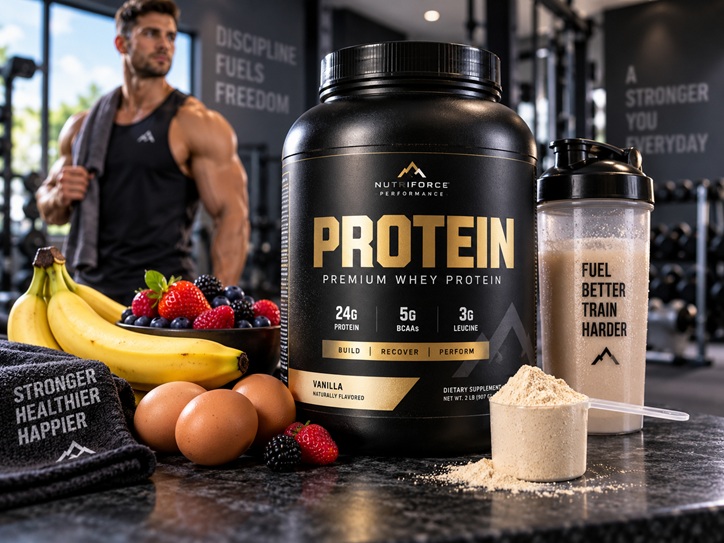
Protein powders such as whey, casein, soy and other plant-based proteins are among the most common supplements used by athletes.
Protein helps the body build, maintain and repair muscle tissue after exercise. Athletes generally have higher protein requirements than people who are less physically active.
According to the U.S. National Institutes of Health, athletes can often meet their protein requirements through normal food, although protein supplements can provide a convenient option when adequate protein from meals is difficult to obtain.
Why athletes take protein supplements:
- To support muscle growth
- To repair muscles after training
- To improve recovery
- To conveniently increase daily protein intake
- To support strength-training programmes
Protein shakes are therefore particularly popular among footballers, bodybuilders, sprinters and athletes involved in strength-based sports.
2. Creatine
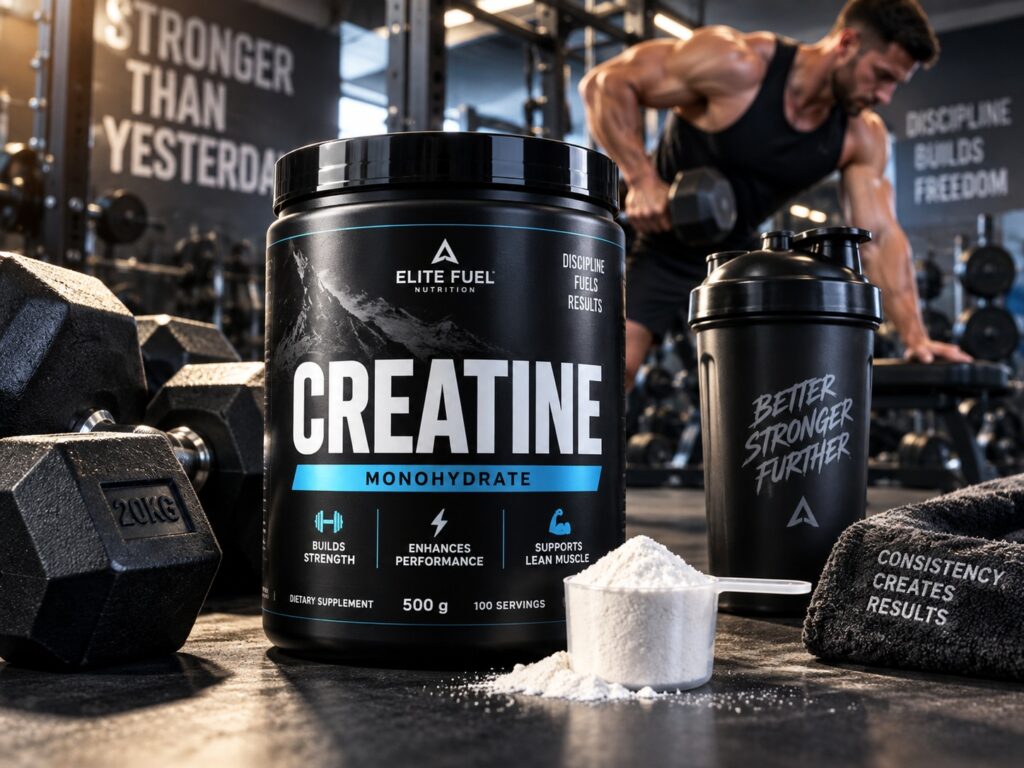
Creatine is one of the most extensively studied sports supplements.
The body naturally produces creatine, and small amounts are also found in foods such as meat and fish.
Creatine helps muscles produce energy during short periods of intense activity. Research reviewed by the NIH indicates that creatine can improve performance during repeated high-intensity activities such as sprinting, weightlifting and some team sports.\
Why athletes take creatine:
- To increase strength
- To improve explosive power
- To support high-intensity training
- To increase training capacity
- To support gains in muscle mass alongside resistance training
The Australian Institute of Sport places creatine among supplements with strong evidence for use in specific sporting situations.
However, creatine may cause some temporary weight gain, largely because of increased water retention in muscles.
3. Caffeine
For many athletes, caffeine is much more than a morning cup of coffee.
Caffeine stimulates the nervous system and can reduce feelings of tiredness and perceived effort during exercise.
Evidence suggests caffeine may improve endurance and certain types of high-intensity or intermittent sporting performance.
Why athletes use caffeine:
- To improve alertness
- To reduce perceived fatigue
- To improve endurance
- To maintain intensity during exercise
- To increase concentration during competition
Caffeine may be consumed through coffee, sports gels, tablets, energy products or other sports supplements.
But more caffeine does not necessarily mean better performance. Excessive intake can cause sleep problems, restlessness, nausea, rapid heartbeat and other unwanted effects.
4. Electrolyte Supplements
Athletes lose water and electrolytes such as sodium through sweat.
During prolonged exercise, particularly in hot environments, sports drinks or electrolyte supplements can help replace fluids and electrolytes.
Athletes may use electrolytes to:
- Support hydration
- Replace sodium lost through sweat
- Maintain fluid balance
- Support prolonged training or competition
The Australian Institute of Sport includes electrolyte supplements and sports drinks among evidence-supported sports nutrition products when used appropriately.
For someone doing a short, light workout, however, ordinary water and regular meals may already be sufficient.
5. Beta-Alanine
Beta-alanine is an amino acid that helps the body produce carnosine, a compound found inside muscles.
Higher muscle carnosine levels may help buffer some of the acidity associated with intense exercise.
The Australian Institute of Sport includes beta-alanine among its evidence-supported performance supplements for specific sporting situations.
Why some athletes take beta-alanine:
- To support repeated high-intensity exercise
- To delay fatigue during intense activity
- To improve performance in certain short-to-medium duration events
It is commonly associated with sports requiring repeated periods of intense effort rather than very long, low-intensity exercise.
6. Beetroot Juice and Dietary Nitrate
Beetroot naturally contains nitrate.
The body can convert dietary nitrate into nitric oxide, which plays a role in blood flow and muscle function.
The Australian Institute of Sport classifies dietary nitrate/beetroot juice among supplements with strong scientific evidence for specific sporting uses.
Why athletes may use beetroot juice:
- To support endurance performance
- To improve exercise efficiency
- To support blood flow to working muscles
It is particularly associated with endurance sports such as running and cycling.
7. Sodium Bicarbonate
Yes, sodium bicarbonate — commonly known as baking soda — is also used in sports nutrition.
During very intense exercise, acidity can build up inside muscles and contribute to fatigue.
Sodium bicarbonate can help buffer this acidity in certain types of high-intensity exercise.
The Australian Institute of Sport places sodium bicarbonate in its evidence-supported performance supplement category.
Athletes should not casually experiment with large amounts, however, because it can cause significant stomach discomfort in some people.
8. Iron Supplements
Iron is essential for making haemoglobin, which carries oxygen through the blood.
Some athletes, particularly those with an identified iron deficiency, may require iron supplementation under professional medical supervision.
The Australian Institute of Sport lists iron as a medical supplement that should generally be used for a diagnosed nutritional or clinical issue with professional guidance.
Taking iron unnecessarily isn’t advisable because excess iron can also be harmful.
9. Vitamin D
Vitamin D is important for healthy bones, muscles and several other body functions.
Athletes who have inadequate vitamin D levels may sometimes be advised to use supplementation.
Like iron, the Australian Institute of Sport considers vitamin D a medical supplement rather than something every athlete automatically needs.
Blood testing and professional advice can help determine whether supplementation is actually necessary.
10. Calcium
Athletes need calcium for strong bones, muscular function and other biological processes.
Most people should obtain calcium primarily through their diet.
However, athletes who cannot obtain enough through food or who have particular medical or nutritional needs may be advised to take calcium supplements.
What About BCAAs?
Branched-chain amino acids, commonly called BCAAs, are heavily marketed to gym users and athletes.
They include leucine, isoleucine and valine.
However, evidence that standalone BCAA supplements significantly improve athletic performance or recovery is limited.
The NIH notes that eating adequate amounts of complete protein already provides BCAAs, and studies have not consistently shown that additional BCAA supplementation improves performance, muscle growth or recovery.
For many athletes, therefore, getting enough high-quality protein may be more important than buying separate BCAA supplements.
Supplements Cannot Replace Proper Nutrition
One of the biggest mistakes athletes can make is believing supplements can compensate for poor eating habits.
They cannot.
An athlete’s foundation should still include:
- Adequate carbohydrates
- Quality protein
- Healthy fats
- Fruits and vegetables
- Sufficient calories
- Proper hydration
- Quality sleep
- Structured training
The NIH stresses that good nutrition and adequate hydration remain fundamental for athletic performance, while supplements should only complement that foundation when there is a genuine reason to use them.

Athletes Should Be Careful With Supplements
Competitive athletes need to be especially cautious.
A supplement can sometimes contain an ingredient that is not accurately declared on the label, including substances prohibited in sport.
The U.S. Anti-Doping Agency warns that contaminated or incorrectly labelled supplements can expose athletes to health problems and positive anti-doping tests. Third-party testing can reduce this risk, although it cannot completely eliminate it.
Athletes subject to drug testing should therefore check every supplement carefully and seek qualified sports nutrition or medical advice.
So, Do Athletes Really Need Supplements?
Not necessarily.
Some athletes benefit from selected supplements because of their sport, training demands, nutritional deficiencies or competition requirements.
Others may obtain everything they need through food.
The important question isn’t simply:
“What supplements do professional athletes take?”
It should be:
“Does this particular athlete actually need this supplement, and is there reliable evidence that it will help?”
Final Thoughts
Some sports supplements have legitimate uses.
Creatine may help athletes performing repeated high-intensity exercise. Caffeine can support endurance and reduce feelings of fatigue. Protein supplements offer a convenient source of protein, while electrolytes may help during prolonged exercise and heavy sweating.
Other products may have little reliable evidence behind their marketing claims.
For athletes, supplements should therefore be viewed as an addition to good nutrition and training — never as a replacement for them.
Anyone considering supplements, particularly competitive athletes or people with medical conditions, should speak with a qualified healthcare professional or sports dietitian first.