
What Happens When an Athlete Has a Life-Changing Accident?
For professional athletes, sport is more than a career.
It is often their identity, routine, source of income, social circle, and dream.
So when an athlete suffers a life-changing accident, the impact can be devastating — not only physically, but also emotionally, financially, and professionally.
A serious accident can change everything in a matter of seconds.
One moment, an athlete may be competing at the highest level.
The next, they may be facing surgery, rehabilitation, permanent disability, or the possibility that they may never compete again.
So what really happens after such an accident?
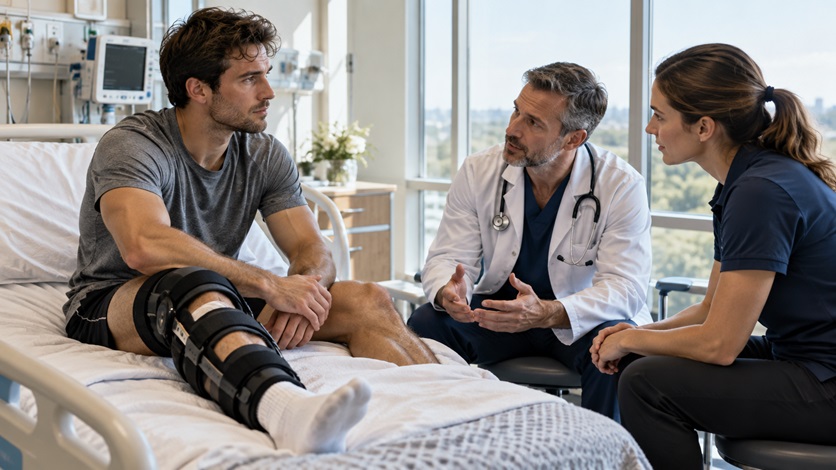
1. The First Priority Is Emergency Medical Care
Immediately after a serious accident, the most important concern is survival and preventing further injury.
Depending on what happened, doctors may need to assess the athlete for:
- Head injuries
- Spinal cord damage
- Internal bleeding
- Broken bones
- Nerve damage
- Organ injuries
- Severe muscle or ligament damage
In serious cases, the athlete may need emergency surgery, intensive care, or a prolonged hospital stay.
The first few hours and days can be critical.
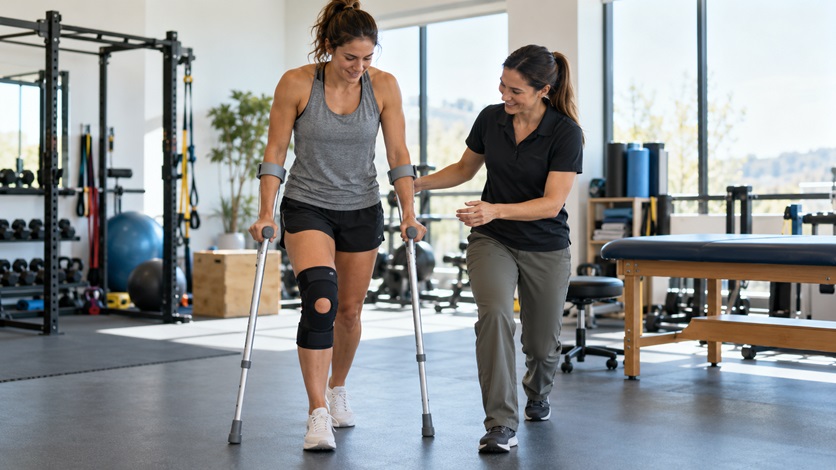
2. The Athlete May Face a Long Rehabilitation Journey
Once the immediate medical danger has passed, rehabilitation often begins.
This can involve:
- Physiotherapy
- Occupational therapy
- Strength training
- Mobility exercises
- Speech therapy in some cases
- Pain management
- Psychological support
For some athletes, recovery may take weeks.
For others, it can take months or years.
And in some cases, full recovery may not be possible.
The athlete may need to learn how to walk again, regain movement, rebuild strength, or adapt to permanent physical changes.
3. A Career Can End Overnight
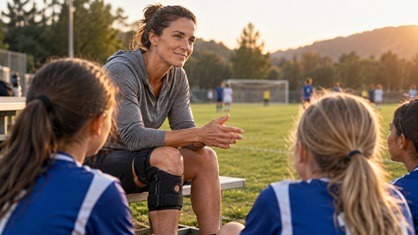
One of the hardest realities of a life-changing accident is that it can suddenly end a sporting career.
An athlete who has trained for years may be told that returning to competition is too risky.
This can happen after injuries such as:
- Severe spinal damage
- Repeated brain trauma
- Major fractures
- Permanent nerve damage
- Loss of a limb
- Serious joint destruction
- Chronic neurological complications
Even when an athlete survives and recovers physically, they may no longer be able to compete at their previous level.
That can be extremely difficult to accept.
4. The Psychological Impact Can Be Huge
The mental and emotional impact of a major accident can sometimes be as difficult as the physical injury.
Athletes may experience:
- Depression
- Anxiety
- Fear
- Anger
- Loss of confidence
- Grief
- Isolation
- Loss of purpose
This is especially true when sport has been central to their life from a young age.
An athlete may suddenly ask:
Who am I if I cannot compete anymore?
That question can be deeply painful.
Psychological counselling, family support, teammates, and mental-health professionals can play a major role in helping an athlete adjust.
5. Their Financial Situation Can Change Quickly
Professional athletes may earn good money while competing, but a career-ending accident can drastically affect their income.
They may lose:
- Match bonuses
- Prize money
- Sponsorship deals
- Appearance fees
- Performance bonuses
- Future contracts
Some athletes may have insurance or contractual protection.
Others may not.
This is why financial planning is extremely important for professional athletes.
An accident can remind athletes how quickly an income built around physical performance can disappear.
6. Relationships May Also Be Affected
A life-changing accident does not affect only the athlete.
It can also affect:
- Partners
- Children
- Parents
- Friends
- Teammates
- Coaches
Family members may suddenly become caregivers.
Roles within the family can change.
There may also be emotional stress, financial pressure, and uncertainty about the future.
Strong family support can make a major difference during recovery.
7. Some Athletes Have to Learn a New Way of Living
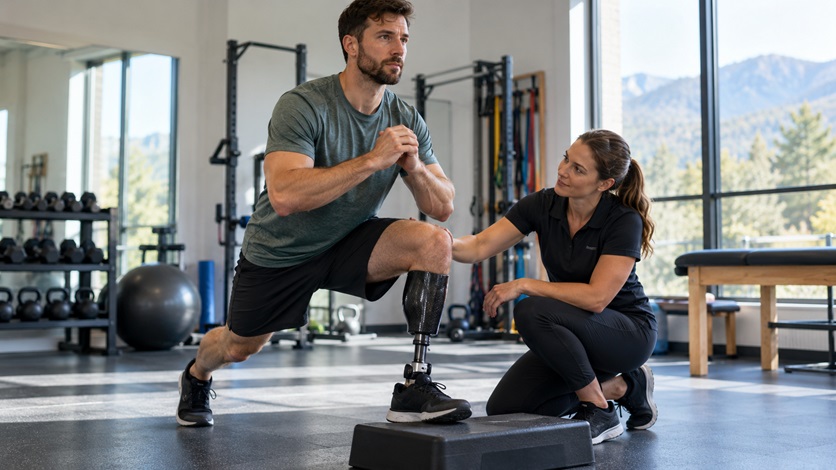
If the accident causes permanent disability, the athlete may need to adapt to a completely different lifestyle.
This may include learning how to:
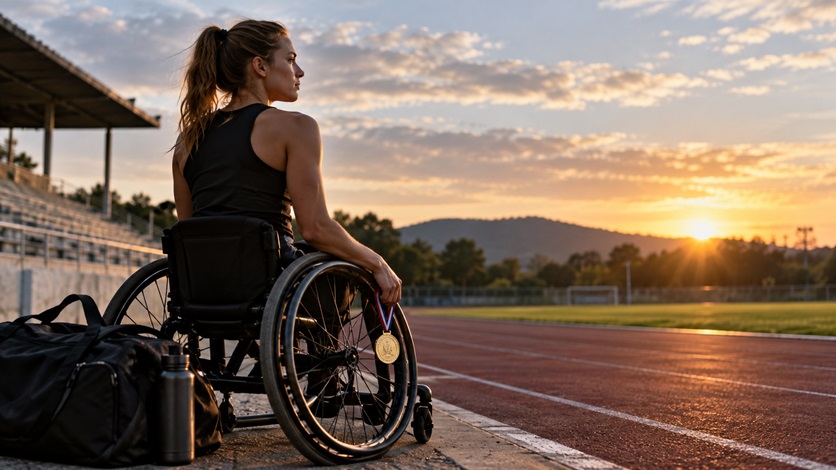
- Use a wheelchair
- Use prosthetic limbs
- Move with assistance
- Drive differently
- Return to work
- Modify their home
- Use assistive technology
- Manage chronic pain
For someone who previously depended heavily on physical performance, this adjustment can be extremely difficult.
But many athletes eventually develop new goals and discover new opportunities.
8. Some Athletes Return to Sport in a Different Way
A life-changing accident does not always mean sport disappears completely.
Some athletes return through:
- Para-sports
- Adaptive sports
- Coaching
- Sports commentary
- Mentoring
- Sports administration
- Talent development
Others become motivational speakers or advocates for injured athletes.
Some even compete successfully again in a different sporting category.
The path may change, but the athlete’s connection to sport can remain strong.
9. Rehabilitation Can Become a Full-Time Job
People often underestimate how demanding rehabilitation can be.
For a recovering athlete, a normal day may include:
- Medical appointments
- Physiotherapy
- Strength exercises
- Pain management
- Psychological counselling
- Nutrition planning
- Rest
- Mobility training
Recovery requires patience.
Athletes are usually accustomed to pushing themselves hard.
But rehabilitation is different.
Sometimes progress is slow.
Sometimes the athlete must learn that doing too much too soon can actually delay healing.
10. Identity Can Become One of the Biggest Challenges
Athletes are often introduced by what they do.
A footballer.
A boxer.
A runner.
A basketball player.
A cyclist.
But what happens when they can no longer do that?
This is one of the hardest emotional challenges after a career-ending injury.
The athlete may feel as though they have lost a part of themselves.
Building a new identity outside competition can therefore become an important part of recovery.
That might involve:
- Business
- Education
- Coaching
- Family life
- Charity work
- Media
- Entrepreneurship
- Community service
The transition is not always easy, but it can lead to an entirely new chapter.
11. Some Athletes Become Strong Advocates for Others
Athletes who experience major injuries sometimes use their stories to help others.
They may become advocates for:
- Road safety
- Mental health
- Athlete welfare
- Disability rights
- Better insurance
- Safer sports
- Rehabilitation services
Their personal experiences can give them a powerful voice.
What began as tragedy can sometimes become a platform for positive change.
12. Support Systems Matter Enormously
Recovery becomes much harder when an athlete feels alone.
Strong support can come from:
- Family
- Friends
- Teammates
- Coaches
- Medical professionals
- Rehabilitation teams
- Sports organisations
- Support groups
The quality of support often influences how well an athlete adjusts emotionally and socially.
Support does not always mean giving advice.
Sometimes it simply means being present.
Can an Athlete Fully Recover?
Sometimes, yes.
But recovery depends on many factors.
These include:
- The type of accident
- The severity of the injury
- How quickly treatment begins
- The athlete’s overall health
- The quality of rehabilitation
- Psychological support
- Age
- Motivation
- Whether permanent damage occurred
No two recoveries are exactly the same.
Some athletes return to competition.
Others return to everyday life but not professional sport.
And some must adapt to permanent disability.
What Can Other Athletes Learn From This?
A life-changing accident is unpredictable, but athletes can still prepare for unexpected events.
Important lessons include:
- Have proper health insurance.
- Understand your sports contract.
- Build savings outside competition income.
- Invest carefully.
- Develop skills outside sport.
- Protect your mental health.
- Create a career plan beyond retirement.
- Avoid unnecessary risk.
- Take rehabilitation seriously after injury.
Athletes should remember that a sporting career may not last forever.
Preparing for life beyond sport is not pessimistic.
It is responsible.
Final Thoughts
A life-changing accident can alter an athlete’s life in ways they never imagined.
It can affect their health, career, income, relationships, confidence, and identity.
But it does not necessarily mean life is over.
For many athletes, recovery becomes a journey of adaptation.
Some return to sport.
Some discover a new profession.
Some become coaches, entrepreneurs, mentors, or advocates.
The future may look very different from what they originally planned, but a new life can still be built.
What matters most is access to proper medical care, rehabilitation, emotional support, and the opportunity to rediscover purpose beyond competition.